
RPSA Level 1 Home Survey
Condition Report for Newer Properties
A concise overview of the property's condition, suitable for newer or well-maintained homes.
Areas We Cover
Warrington sits within easy reach of our Altrincham base, so we can usually attend promptly. We are instructed directly by buyers and owners and work on no estate-agent panel, which means the report is written for you and nobody else. Which survey level suits a Warrington property depends on its age, construction and how much it has been altered — a straightforward modern house and a Victorian terrace are very different inspections, and we are happy to advise on the right level before you book.
Get advice on the right surveyWarrington is a large town and unitary authority in Cheshire, on the River Mersey between Manchester and Liverpool, covering the WA1 to WA5 postcode areas. Its housing is unusually varied for a single town: Victorian and Edwardian terraces near the centre, extensive inter-war and post-war suburban housing, and some of the largest modern estate developments in the North West on the outer edges. Planning history, building control records, conservation area designations and local authority search information for the town are held by Warrington Borough Council. From our Altrincham base we cover Warrington alongside neighbouring areas including Lymm, Grappenhall and the wider Cheshire fringe.
Warrington's housing is stratified by its New Town designation in a way few comparable towns are. It was designated on 26 April 1968 over 7,535 hectares, with an intended population of 210,000 against 124,000 at designation, and the development corporation ran until 1989 (Town and Country Planning Association new-towns record). That produced roughly two decades of concentrated housebuilding across the Padgate, Birchwood, Westbrook and Bridgewater districts, sitting alongside the Victorian and Edwardian stock of the older centre and the inter-war suburbs between them. The practical consequence for a survey is that build date is a weaker guide here than in towns that grew steadily: two houses of similar age on opposite sides of the town can be entirely different forms of construction.
On housing from the New Town decades, the first question is usually what the property is actually built of. Timber-framed construction was used widely in British housebuilding through the 1970s and 1980s, and where it is present it changes how damp, ventilation and any later alteration need to be assessed — cutting into a structural panel during a past extension or window replacement is a recognised issue rather than a hypothetical one. Flat and shallow-pitch roof coverings from that period are typically well past their original design life unless already replaced. Asbestos-containing materials remain plausible in anything built before 2000, commonly in garage and outbuilding sheeting, soffits, textured coatings and some floor tiles. Retrofitted cavity wall insulation is also worth attention, since injected fill in an exposed or poorly detailed wall can bridge moisture across the cavity. On the older terraced and Edwardian stock nearer the centre the priorities revert to type — solid-wall moisture behaviour, chimney stacks, roof coverings and rainwater goods, and the condition of any rear addition. Across comparable Cheshire property, visible cracking is judged on width, pattern, location and whether it appears to be progressing; width alone is not decisive.
Planning history, building control records and conservation area designations for the town are held by Warrington Borough Council, and on New Town era housing the build records are often more complete than for older stock — worth requesting early where the construction type is not obvious on inspection. Where a property has been extended or re-clad since original construction, establishing what was there first tends to matter more here than the age of the house.
Compare our RPSA-qualified building survey services available in Warrington. From Level 1 Home Surveys to Level 3 Building Surveys, we'll help you choose the right survey for your property.
Condition Report for Newer Properties
A concise overview of the property's condition, suitable for newer or well-maintained homes.

Comprehensive Survey for Most Homes
A more detailed inspection identifying visible defects and areas requiring attention or maintenance.

Full Structural Survey for Older or Complex Properties
A comprehensive Level 3 survey of the structure and condition — ideal before a house purchase on older or more complex properties.
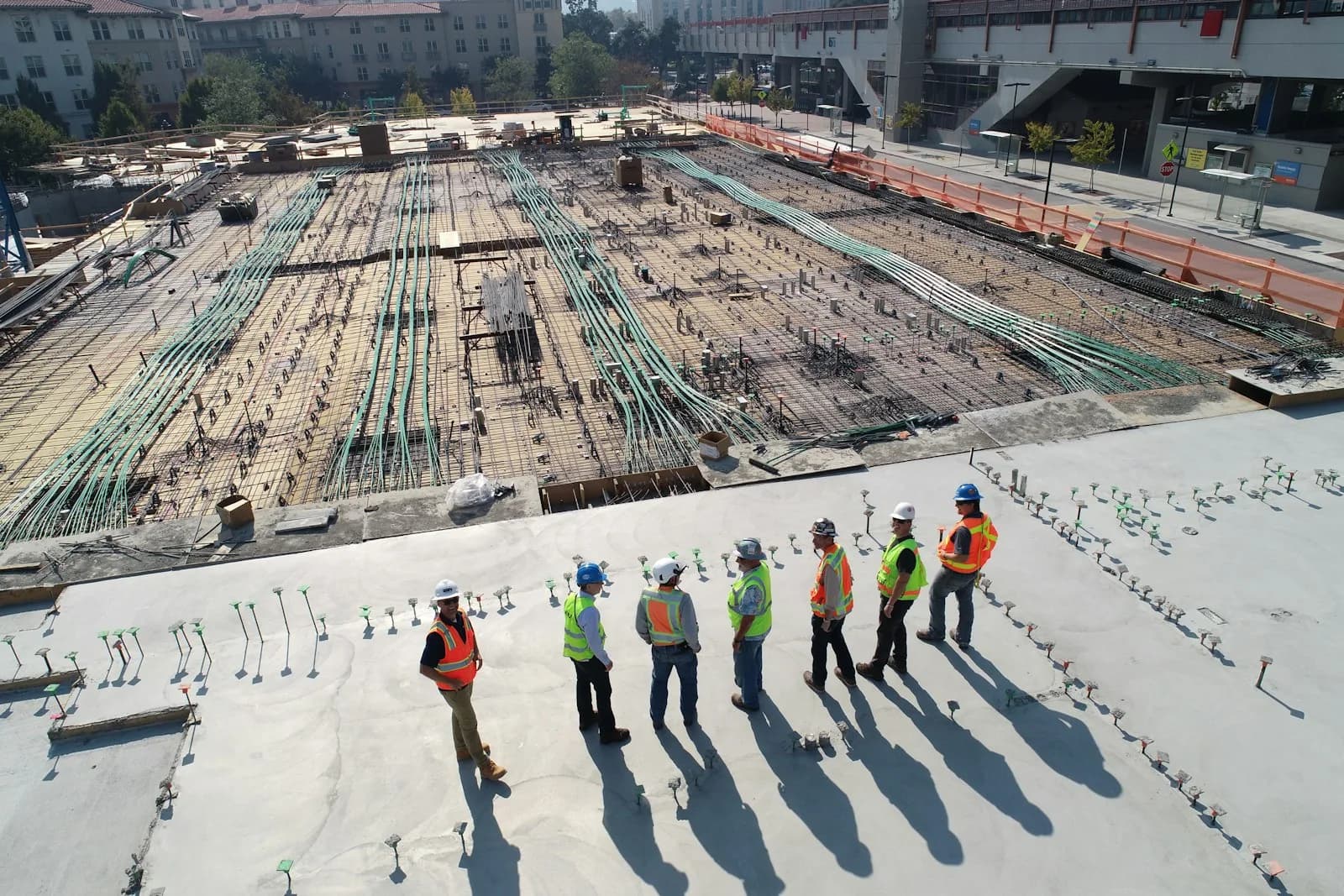
RPSA Defect Diagnosis & Reporting
A focused inspection to investigate specific issues such as damp, cracking, or structural concerns.
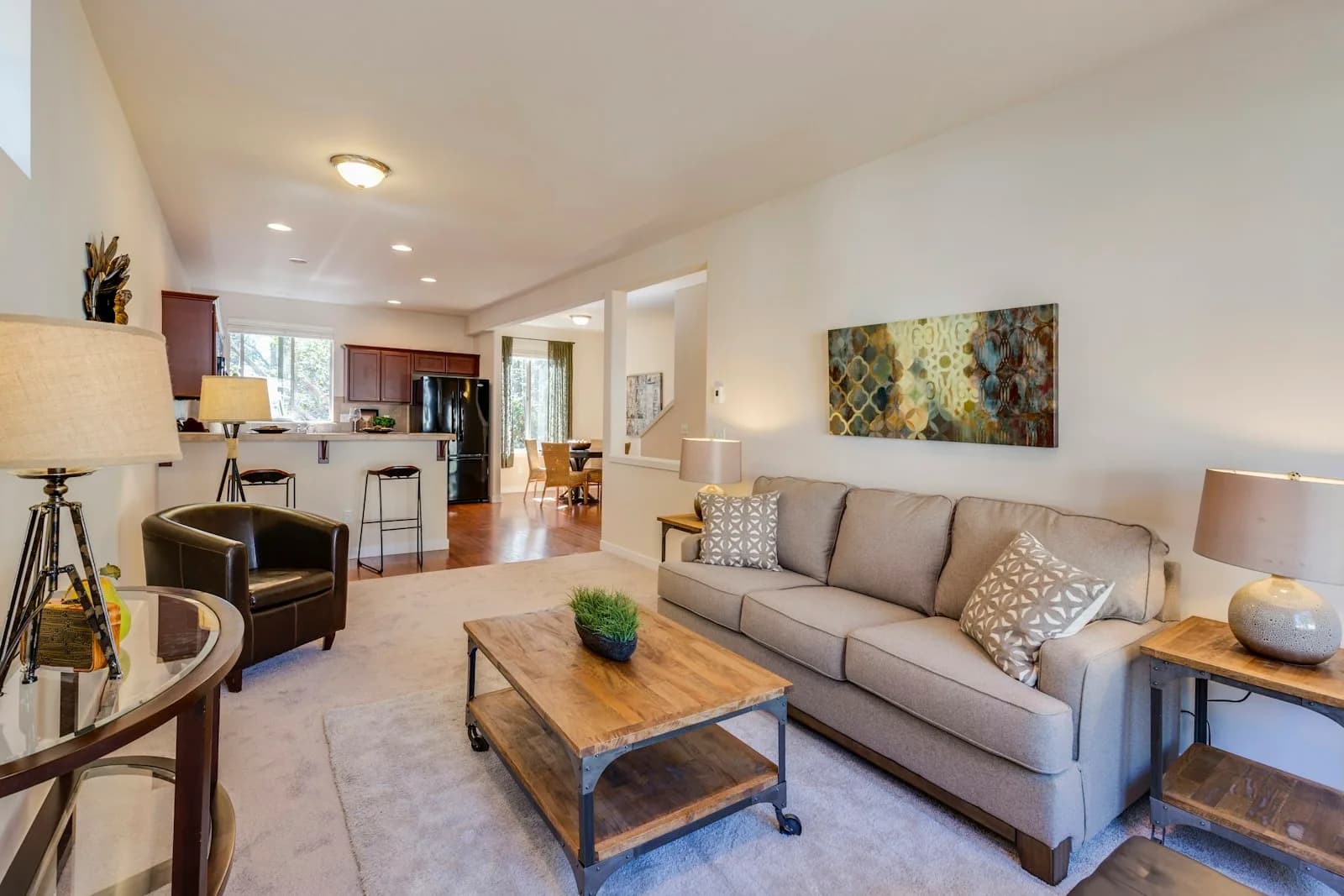
RPSA Survey for Landlords & Investors
A practical assessment for landlords, highlighting condition, risks, and ongoing maintenance considerations.
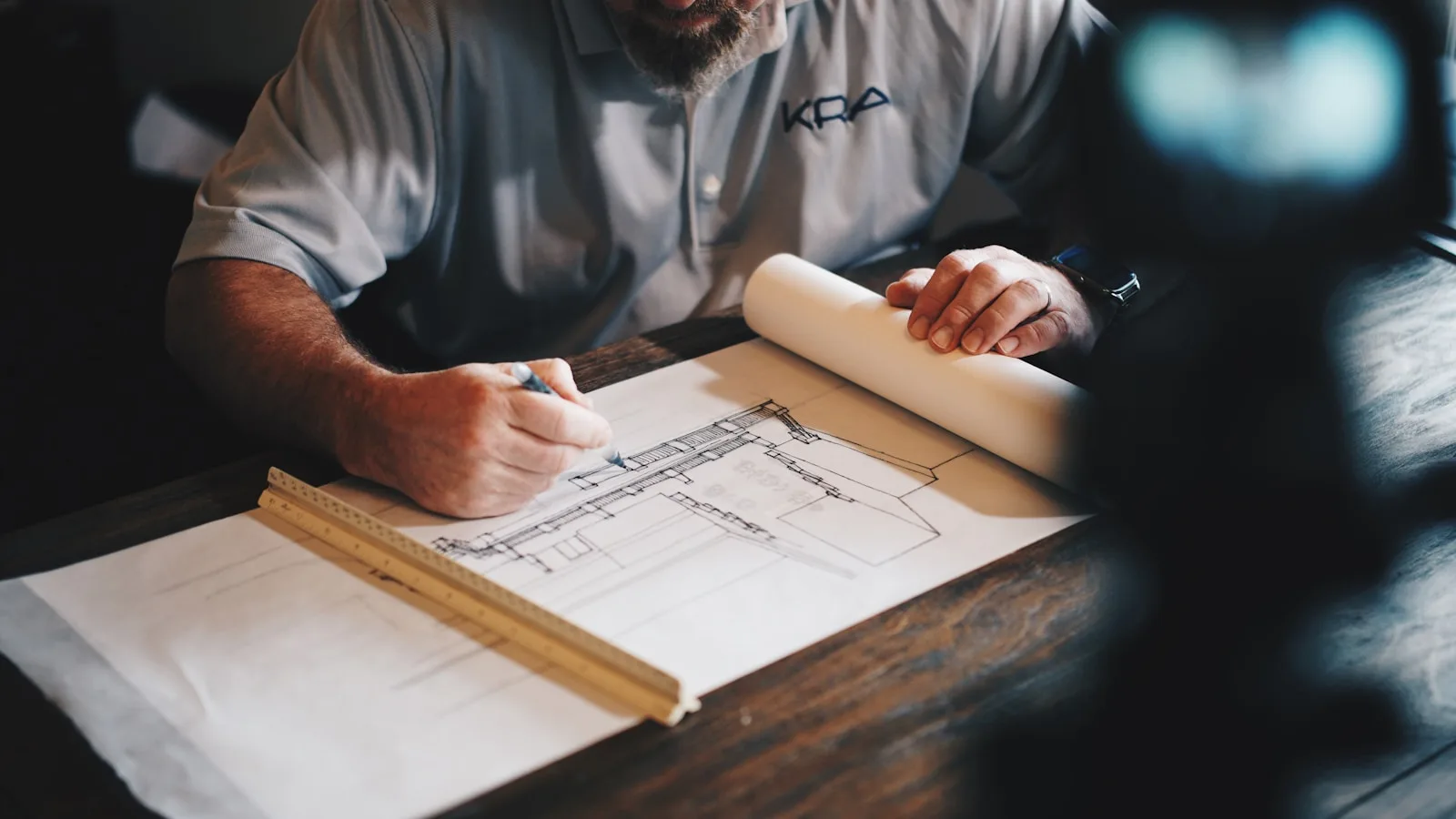
RPSA New Build Snagging Inspection
An inspection of a newly built property to identify defects prior to final handover.
A simple, transparent process for property surveys in Warrington, from booking to report within 5 working days.
Call us or request a quote online. We'll discuss your property and recommend the right survey level.
Our RPSA qualified surveyor conducts a thorough inspection using professional equipment including drones.
Get your comprehensive survey report with clear findings, photos, and recommendations.
Call us or request a quote online. We'll discuss your property and recommend the right survey level.
Our RPSA qualified surveyor conducts a thorough inspection using professional equipment including drones.
Get your comprehensive survey report with clear findings, photos, and recommendations.
Quick links to nearby areas and the survey services we offer.
Related Survey Examples
Browse recent building survey examples relevant to buyers and property owners in Warrington. These examples highlight the kinds of issues that can be uncovered in surveys, from roofing and structural concerns to dampness, drainage and general defects.
Recent examples come from surveys carried out in Cheshire East, Prestbury, Wilmslow, Knutsford, Liverpool, Altrincham, Manchester, Cheshire and Poynton.
Cheshire East
This Level 3 Building Survey on a listed period property in Cheshire East found a substantial boundary wall bulging and leaning out of vertical, extensive deterioration and inappropriate hard mortar repairs to traditional solid walls, localised internal damp behind modern dry lining, and an unverified alteration containing electrical, plumbing and heating services.
Read survey examplePrestbury, Cheshire
A newer, higher-value home is not automatically a low-risk purchase. This Level 3 Building Survey in Prestbury, Cheshire identified foul water escaping from a lower ground floor WC, a separate area of penetrating damp with a clear external cause, concealed plumbing leaks in service cupboards, and an underground drainage system that could not be inspected.
Read survey exampleWilmslow, Cheshire
This Level 3 Building Survey on an inter-war detached house in Wilmslow, Cheshire recorded severe saturation and mould growth to an upstairs en-suite, and traced the likely cause outwards to defective roof coverings, chimney detailing and failed cast-iron rainwater goods rather than to condensation.
Read survey exampleFAQs
Yes. Warrington is a short drive from our Altrincham base, so we can usually attend promptly and deliver the report within about 5 working days of the inspection.
Our prices are the same wherever we travel in the catchment: Level 1 Home Surveys from £325, Level 2 Home Surveys from £395 and Level 3 Building Surveys from £495. Snagging and property defect surveys start from £450 and buy-to-let surveys from £650. The final figure is fixed for your specific property and confirmed before you book — there is no separate call-out charge for Warrington.
"Surveyor" is a broad term covering several distinct jobs — valuers, land surveyors and quantity surveyors among them. A residential building surveyor inspects the condition of a home and reports on its defects, their likely causes and what they mean for you as a buyer. That is the work we do: whole-property condition assessment, not valuation.
No. Residential surveys can be carried out by members of the RPSA (Residential Property Surveyors Association), which specialises specifically in home surveys. Chris Anslow is MRPSA-certified with close to 20 years' residential experience and works independently, on no estate-agent panel. Our guide on RPSA vs RICS surveys explains the difference honestly.
The findings worth taking seriously are usually those that are expensive, progressive or hard to see: evidence of structural movement, a roof or chimney at the end of its serviceable life, persistent damp whose cause has not been established, and alterations or extensions carried out without records. A survey's job is to separate those from the many minor defects that every home has.
It depends on the property rather than the postcode. A Level 1 Home Survey suits newer, conventional homes in good order; a Level 2 Home Survey is the usual choice for a typical house in reasonable condition; and a Level 3 Building Survey suits older, larger, altered or extended properties, or any home where you want a fuller understanding of construction and likely repairs. Ask us before booking and we will point you to the right one.