A red flag is a survey finding that changes the decision, not the maintenance schedule. In practice there are five: structural movement that appears to be progressing, persistent damp where nobody has established the cause, a roof covering at the end of its serviceable life, structural alterations with no documentation, and defective drainage. Almost everything else in a survey report is a repair list, and repair lists are normal.
That distinction matters, because the most common reaction to a first survey report is alarm at its length. A thorough report on a fifty-year-old house will run to dozens of observations. Very few of them should change your mind about buying.
1. Structural movement that appears to be progressing
Cracking is the finding buyers worry about most, and usually the one that turns out to be least dramatic. Most cracking in older housing is historic, stable, and explained by ordinary settlement or thermal movement.
What makes movement a red flag is evidence that it is ongoing. That judgement rests on width, pattern, location and whether the crack appears to be opening — and width alone is not decisive. A wide crack that has plainly been stable for decades is a different proposition from a narrower one that is progressing.
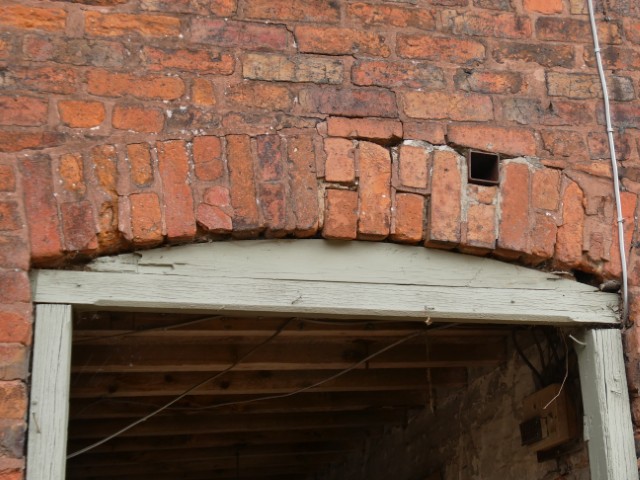
Where movement is active, the report should say what it is likely to be and what should happen next. Our guides to cracks in walls and subsidence, settlement and heave explain how the distinction is drawn.
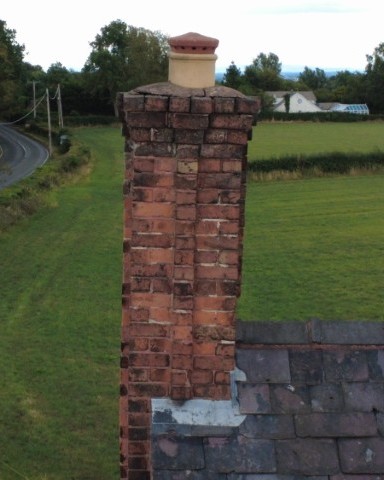
Leaning or displaced chimney stacks belong in this group too — they are structural, they are exposed on all sides, and they are frequently disused and therefore unmaintained.
2. Persistent damp with no established cause
Damp is only a red flag when nobody has worked out what is causing it. "Damp" is a symptom with several quite different mechanisms behind it — rising, penetrating and condensation — and the remedy for one is useless against another.
A meter reading is not a diagnosis. Where a report records high readings without a mechanism, the honest position is that further investigation is needed, and the cost is not yet known. Our guide to damp explained sets out how the three are distinguished.
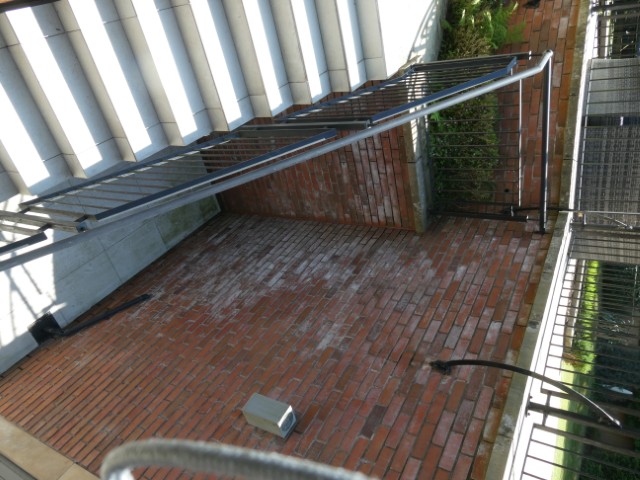
One frequent and inexpensive finding worth checking: raised external ground levels bridging the damp-proof course. It is a common cause of internal damp at the base of a wall, and it is often cheap to remedy.
3. A roof covering at the end of its life
Roof coverings have a finite serviceable life, and the fixings often fail before the slates or tiles themselves do. A roof at the end of its life is not a defect in any dramatic sense — but it is a substantial, near-term, whole-elevation cost that is easy to overlook when it looks acceptable from ground level.
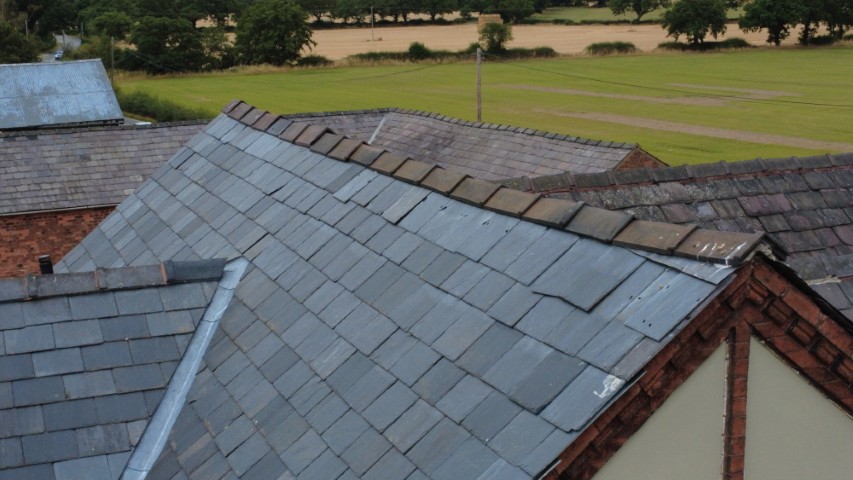
A deflecting ridgeline or visible spread suggests the issue is with the structure beneath rather than the covering on top, which is a different and larger job.
4. Structural alterations with no documentation
Removed chimney breasts, opened-up walls, loft conversions and rear extensions are all routine. What makes them a red flag is the absence of building control sign-off — because you then cannot demonstrate the work was done to standard, and you inherit both the risk and the problem on resale.
This is worth establishing early, because it is answerable from records rather than from inspection. Planning history and building control records are held by the local authority.
5. Defective drainage
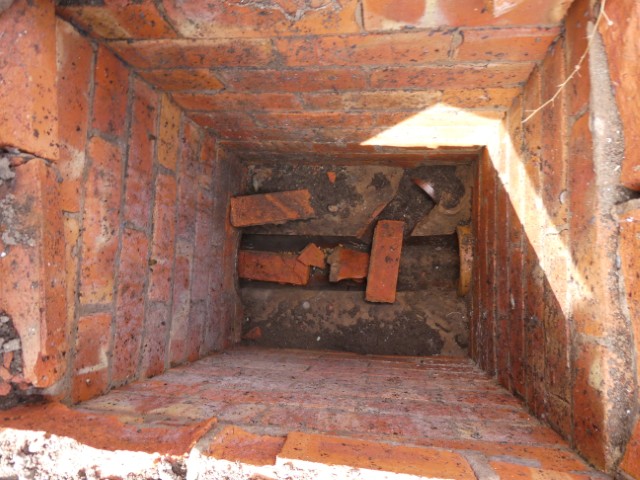
Drainage sits underground, is easy to ignore, and is expensive to put right once it has been affecting foundations or causing localised saturation. Collapsed or damaged inspection chamber brickwork is a visible warning that the system below may not be sound.
What is not a red flag
Worth stating plainly, because these cause disproportionate worry:
- Hairline cracking to plaster and decoration. Very common, rarely structural.
- A single condition rating of 3. The rating records urgency, not severity of consequence. Read the explanation attached to it.
- Ageing but functional windows, boilers and finishes. These are budget items, not decision items.
- Any long report. Length reflects thoroughness, not a bad building.
What to do with a red flag
Get the cause established before getting a price. The most expensive mistake buyers make is commissioning remedial work — or withdrawing — before anyone has worked out what is actually happening. Where a specific structural issue needs designing out, that is the point to bring in a structural engineer; our post on surveyor vs structural engineer explains the division of labour, and what happens if a survey finds problems covers the options from there.
If you would like a view on which survey level suits the property you are buying, tell us about it and we will advise before you book.